Doors
Why uPVC and composite doors drop, stick and refuse to lock
By MK Window and Door Repairs · · 4 min read
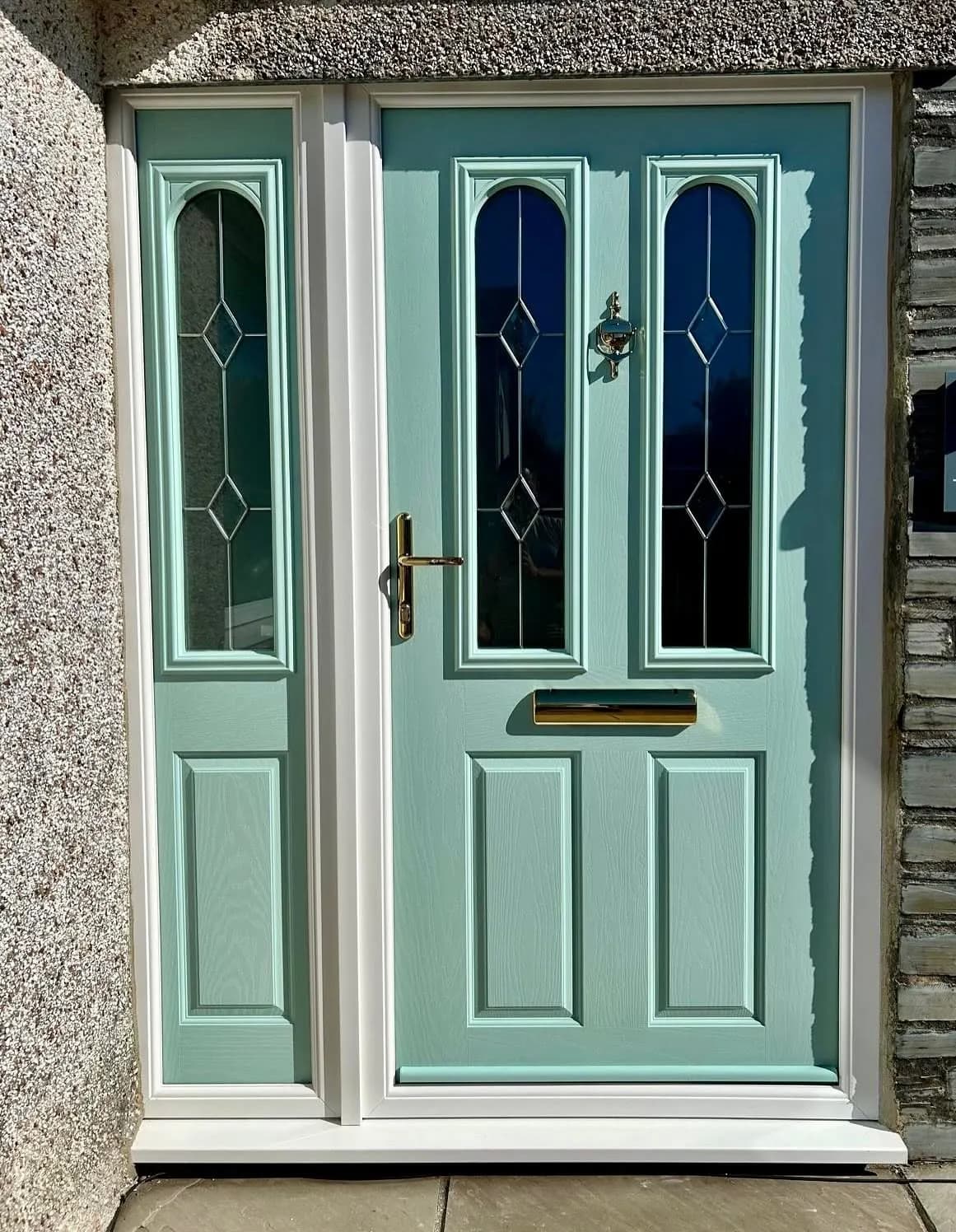
If you have to lift the handle with a knee against the door, or the key only turns when you pull the door towards you, the door has moved in its frame. It is one of the most common jobs we do, and it is nearly always an adjustment and a part or two rather than a new door.
How a modern door is supposed to work
uPVC and composite doors are heavy. A composite door slab with a glazed panel can weigh well over 40 kilograms, and the whole of that hangs off two or three hinges on one side. Down the other edge runs a multipoint lock: a strip with a latch, a deadbolt and usually hooks or rollers that all throw into keeps in the frame when you lift the handle and turn the key.
For all of that to work, the door has to sit square in the frame with an even gap all the way round. The hooks and bolts need to line up with their keeps to within a couple of millimetres. When the door drops even slightly, they hit the edge of the keeps instead of sliding into them, and that is when the handle goes stiff and the key will not turn.
Why doors drop
- Hinge wear. Flag hinges and butt hinges carry the door's weight on small pins and bearings. Years of opening and closing wears them, and the door sags towards the handle side.
- Hinges working loose. The screws holding the hinges into the steel reinforcement in the frame can loosen, especially on doors that get slammed or that children swing on.
- Seasonal movement. Dark coloured doors that face the sun expand in summer and can bow slightly. A door that only sticks on hot afternoons is a classic sign.
- The building moving. Older Cornish cottages and houses on made-up ground move a little over time, and the frame goes with them.
- Worn lock gearbox. Sometimes the door has not moved at all; the central gearbox in the multipoint lock has worn, so the handle feels loose or spongy and the key will not throw the bolts.
The warning signs, in the order they usually appear
- The door catches on the frame or the threshold on the handle side as it closes.
- You have to lift the handle harder than you used to, or push the door shut with your hip before it will lift.
- A draught appears along the top or bottom edge where the seal is no longer being compressed.
- The key turns only when the door is pulled or pushed, or it will not turn at all.
- The handle goes floppy and no longer lifts the hooks. At this point the gearbox has usually failed, sometimes because of the strain from months of forcing it.
The important thing is that each stage puts more strain on the lock. A dropped door caught early is a quick realignment. Left for a year, it can mean a new gearbox or a full lock strip as well.
What realignment involves
Most uPVC and composite door hinges are adjustable in three directions: up and down, in and out, and side to side. Realigning the door means adjusting the hinges so the door sits square again with an even gap, then checking that every hook, bolt and roller lands cleanly in its keep. Where the keeps have been chewed by years of misalignment they are repositioned or replaced. Toe-and-heeling, which means repacking the glass or panel inside the door so the slab itself stops sagging, is sometimes needed on older doors.
If the gearbox has failed, it is replaced within the existing lock strip. If the whole strip is worn or an obsolete pattern, we fit a compatible new one. Handles, cylinders and gaskets are replaced as needed. The door itself, the frame and the glass all stay.
Sliding patio doors are a similar story
Patio sliders do not hang on hinges, but they suffer the same way. The rollers underneath the sliding panel wear flat or seize, the panel drops, and it grinds along the track and will not meet the lock keep. New rollers and a cleaned or replaced track bring the door back to sliding with one finger. We have adjusted and repaired plenty of these, including on static caravans, where the doors get heavy use in a short season.
More advice
- Hinges and handlesSalt air and your windows: why coastal hinges and handles wear out earlyHomes near the north Cornwall coast get through window hardware faster. How salt corrodes friction hinges and handles, what the symptoms are, and what to replace them with.
- GlassMisted double glazing: do you really need a new window?Why sealed units mist up, what actually failed, and why the fix is almost always a new glass unit in your existing frame rather than a new window.